
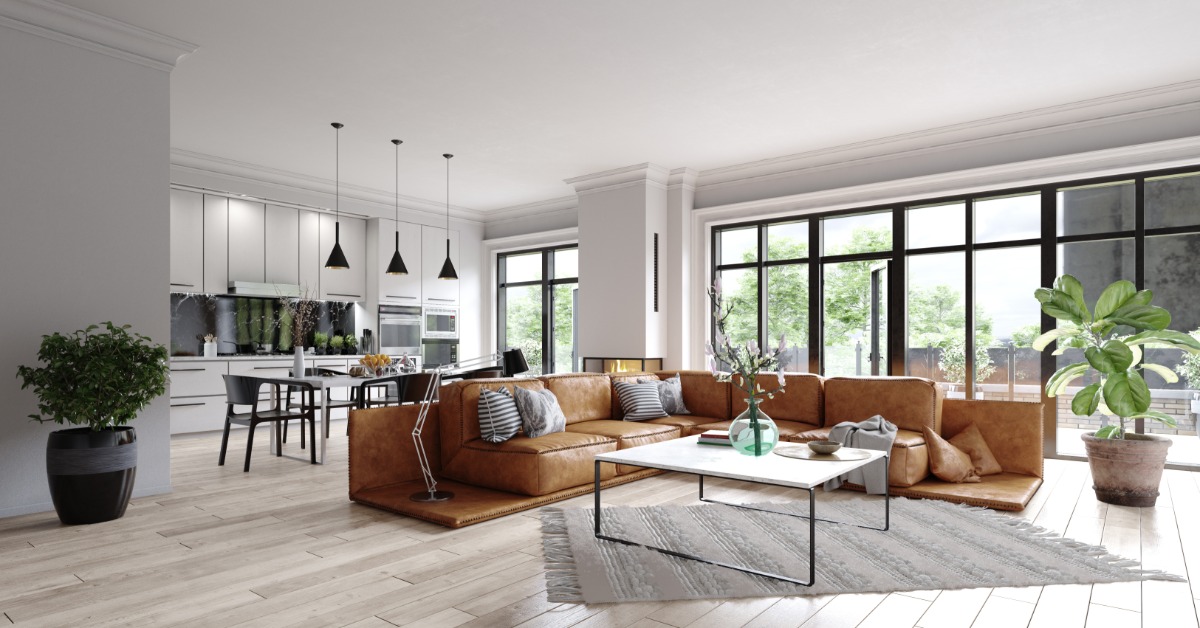
A well-planned home space creates a place where people connect, share ideas, and feel comfort within warm surroundings daily. Furniture choices shape how guests interact and how long moments last within a welcoming environment. Thoughtful arrangement supports openness and helps every person feel included without effort or distraction from their surroundings.
Comfort, balance, and intention define a room that supports real connection. Each element plays a role in how people face each other and engage through relaxed, natural conversation. With the right living room furniture that encourages conversation, you can enhance comfort and shared experience.
A seating plan that places chairs and sofas opposite each other encourages eye contact and natural conversation during social gatherings at home. This layout removes barriers, creates balance, and allows each person to feel seen and heard within a shared, comfortable environment. Symmetry in placement builds calm structure and supports equal participation among guests during relaxed, friendly exchanges within the room.
Soft cushions, supportive backs, and proper seat height ensure comfort so guests remain engaged in conversation without distraction or physical discomfort. When people feel relaxed, they focus on connection rather than posture, which improves the quality of shared time together. Proper spacing between seats allows movement while keeping each participant within clear conversational distance for ease and comfort.
A central table offers a shared surface where guests can place drinks, books, or decor that spark interest and conversation among everyone present. This feature acts as a natural focal point that draws attention inward and supports group interaction from all sides equally. The table height should match seating levels to ensure ease of reach without interrupting comfort or posture during extended conversation.
Rounded edges soften the visual tone and allow movement without obstruction, creating a safer and more welcoming environment for all guests. Materials such as wood or stone add warmth and texture that encourage touch and visual interest within the room. A balanced table size prevents crowding while still offering enough space for shared items that support social interaction naturally.
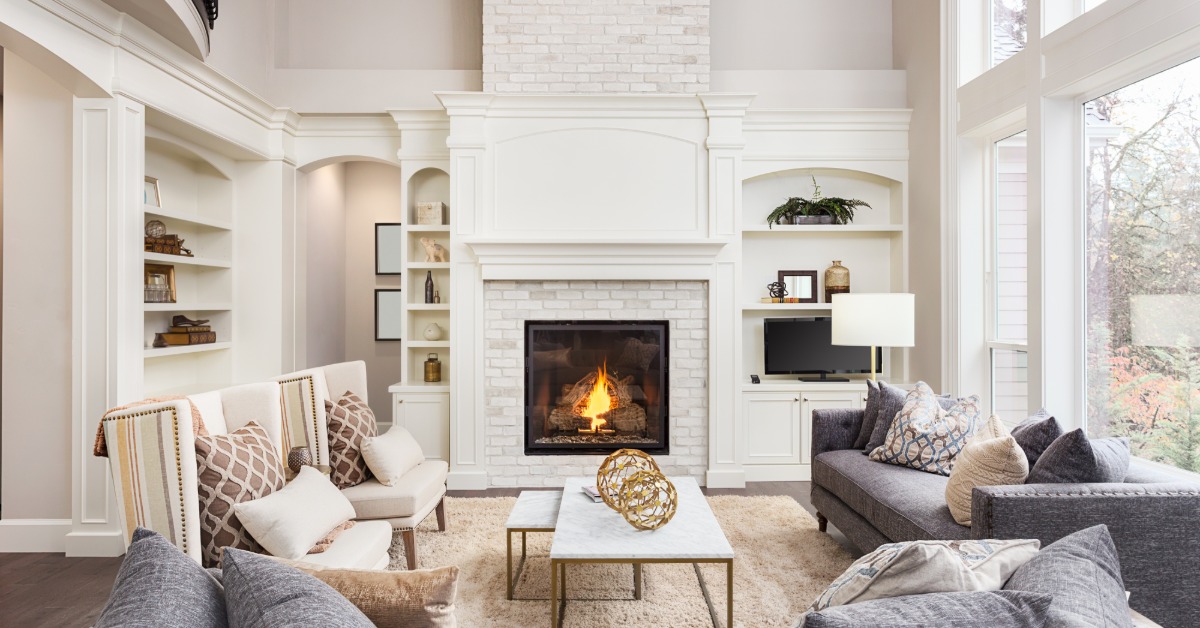
A well-designed sofa is one of the essential living room elements that encourages conversation because it offers enough space for multiple guests while still encouraging closeness. Deep seating invites relaxation, while structured support ensures comfort that lasts through long visits and meaningful discussions among friends. Neutral tones allow flexibility, while texture adds subtle interest that enhances the overall atmosphere without distraction.
Placement near the center of the room ensures the sofa becomes part of the conversational circle rather than against a wall. This approach supports openness and helps guests feel included. Proper alignment with other seating ensures balance and maintains a natural flow that supports communication.
Accent chairs provide additional seating while also introducing style and personality that enrich the environment and invite guests to join conversations comfortably. Different shapes and textures create visual interest that keeps the room dynamic without overwhelming the overall design balance. These chairs can fill gaps in seating arrangements while still maintaining alignment with the central conversational layout.
Placement at slight angles toward the main seating area helps guide attention inward and supports engagement among all participants within the space. This positioning avoids isolation and ensures each chair contributes to the group dynamic rather than standing apart from interaction. A consistent color palette ties each piece together while still allowing individual character to shine within the design.
Soft lighting creates a warm environment that supports relaxed conversation and helps guests feel comfortable within the space during gatherings or quiet evenings. Proper light placement avoids harsh shadows and ensures each face remains visible, which supports better communication and emotional connection. Table lamps and floor lamps add layers that enhance depth and create a welcoming atmosphere for meaningful interaction.
Natural light shapes mood and supports openness within the room during daytime gatherings with friends. Window placement and light control allow flexibility while maintaining a bright and inviting environment that encourages social interaction. Balanced light sources ensure the space feels neither too dim nor too bright, supporting comfort and sustained engagement.
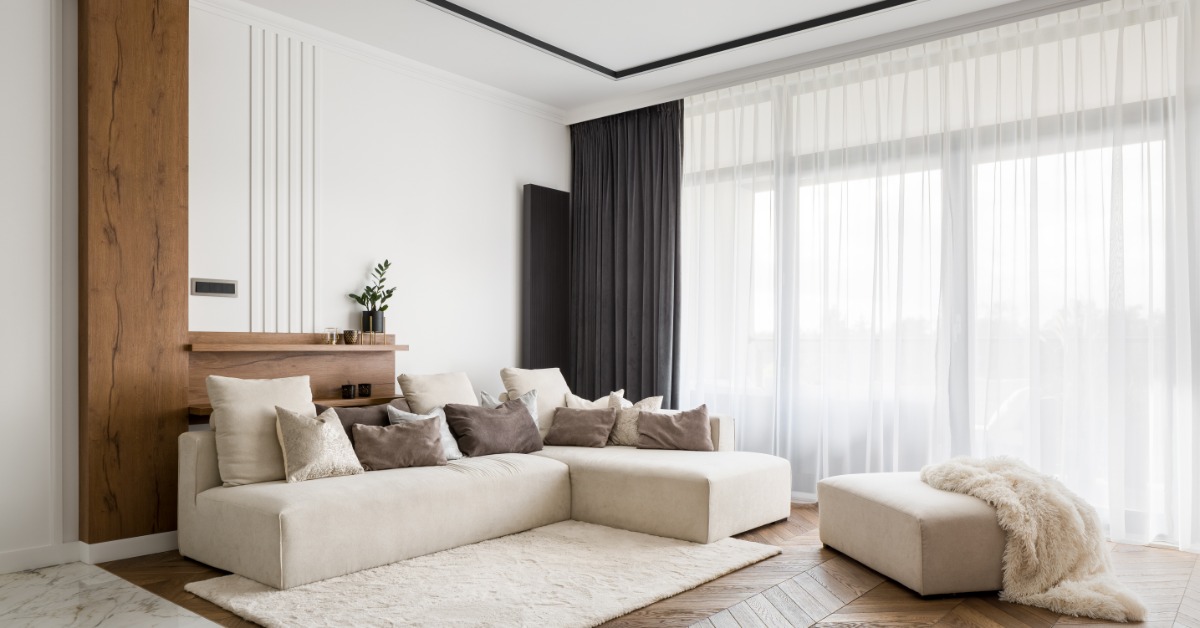
A rug anchors furniture and defines the conversation area, helping guests understand where interaction naturally takes place within the room. This visual boundary creates structure and supports cohesion among seating elements without the need for walls or physical barriers. Texture and color add warmth and character, enhancing the overall experience of the shared environment.
The rug size should extend beneath key furniture pieces to unify the layout and prevent a disconnected appearance within the space. This approach helps each element feel part of a single design rather than separate pieces placed without intention. A durable material ensures longevity while still offering comfort underfoot during movement and extended periods of social interaction.
Decor elements such as artwork, books, and personal items create points of interest that naturally spark conversation among guests during visits. These features reflect personality and offer stories that invite engagement within the room. A thoughtful selection ensures each piece contributes to the overall atmosphere without creating clutter or distraction.
Arrangement of these items should remain intentional, with enough space around each piece to allow appreciation and visual clarity within the design. This spacing supports focus and ensures guests notice details that inspire interaction and dialogue during gatherings. To find unique and exquisite living room sets in Vancouver, WA, visit one of our showrooms to explore options that support connection.
A flexible furniture arrangement allows easy adjustment based on the number of guests or the type of gathering within the space at any time. Lightweight pieces and modular designs support quick changes without effort, ensuring the room remains functional and welcoming for different needs. This adaptability ensures conversation remains central regardless of how the space evolves during use.
Open pathways support movement and prevent congestion, allowing guests to join or leave conversations without disrupting the flow of interaction. Clear circulation paths also improve comfort and ensure the space feels accessible and inclusive for everyone present. This balance between structure and flexibility supports planned events and spontaneous gatherings.
Natural materials such as wood, fabric, and stone add warmth and texture that support comfort and invite guests to relax within the space. These elements create a sense of authenticity and help the room feel grounded and welcoming for meaningful social interaction. Soft textiles enhance comfort while durable surfaces ensure longevity and ease of maintenance.
Color choices should remain balanced and cohesive, supporting a calm environment that encourages conversation without overwhelming the senses of guests. Neutral tones provide flexibility, while subtle accents add personality and depth to the overall design. This harmony makes the space feel inviting and supports connection across different styles and preferences among visitors.
A well-designed room supports connection through thoughtful furniture choices, balanced layout, and attention to comfort that encourages people to engage naturally. Each element contributes to how guests interact, how conversations begin, and how long shared moments continue within the space. Intentional design creates an environment where communication feels effortless, and every person feels welcome.
