
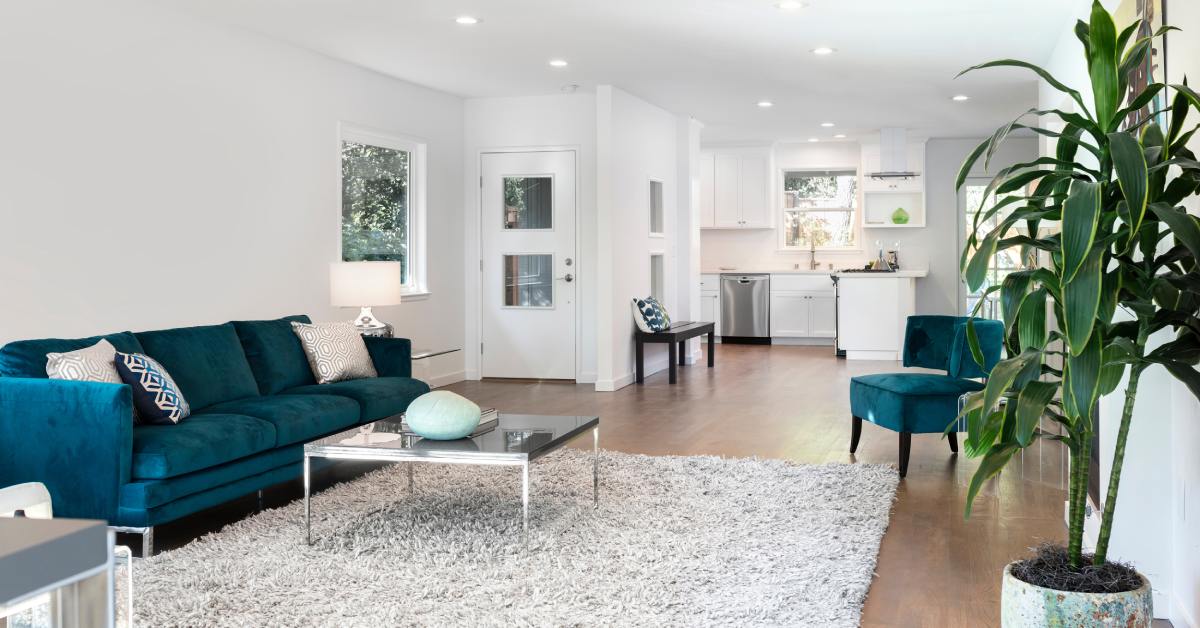
A home feels most welcoming when the layout supports easy movement and natural conversation between guests. Many homeowners struggle with rooms that feel cluttered or disjointed due to poor furniture placement decisions. The way you position sofas, tables, and chairs impacts how people interact within that specific space.
Good flow allows traffic to move through the room without disruption to the main activity zones. You want to create pathways that make sense and allow for comfortable navigation around large items. Visual balance also plays a massive role in how a room feels to its occupants.
A room heavy on one side feels awkward and makes relaxation difficult for most people. Light needs to travel through the space to keep it feeling open and very airy. Obstructions near windows or doors can make even large rooms feel cramped and somewhat dark.
These tips for arranging furniture for better flow and feel will help you maximize your square footage and improve the overall atmosphere. Correct placement transforms a house into a functional home where everyone enjoys spending their time.
You must ensure that people can walk through the room without bumping into any furniture. A clear path of at least three feet in width allows for easy movement between zones. Avoid placing large items in the direct line of travel from one doorway to another.
Measure the distance between your coffee table and sofa to guarantee enough legroom for guests. Eighteen inches provides ample space for drinks while still allowing people to sit down comfortably. Keep the entry areas open to welcome guests into the space without any immediate barriers.
Arranging seats to face each other encourages guests to talk and interact with one another. Large rooms often benefit from multiple seating groups rather than one massive, spread-out arrangement. This setup makes the space feel intimate and cozy despite having a large square footage.
Pull furniture away from the walls to create a floating arrangement in the center space. This technique often makes the room feel larger and more purposeful in its overall design. Rugs can anchor these zones and define the boundaries of the specific conversation area clearly.
Distribute heavy pieces of furniture throughout the room to avoid a lopsided or sinking feeling. A large sofa on one side needs a cabinet or two chairs on the other. This balance keeps the eye moving across the space rather than sticking to one spot.
Consider the height of your furniture as well as the width when you plan layouts. Tall bookcases or cabinets should not cluster together in one corner of the living room. Spread tall items out to maintain equilibrium and keep the ceiling height feeling consistent.
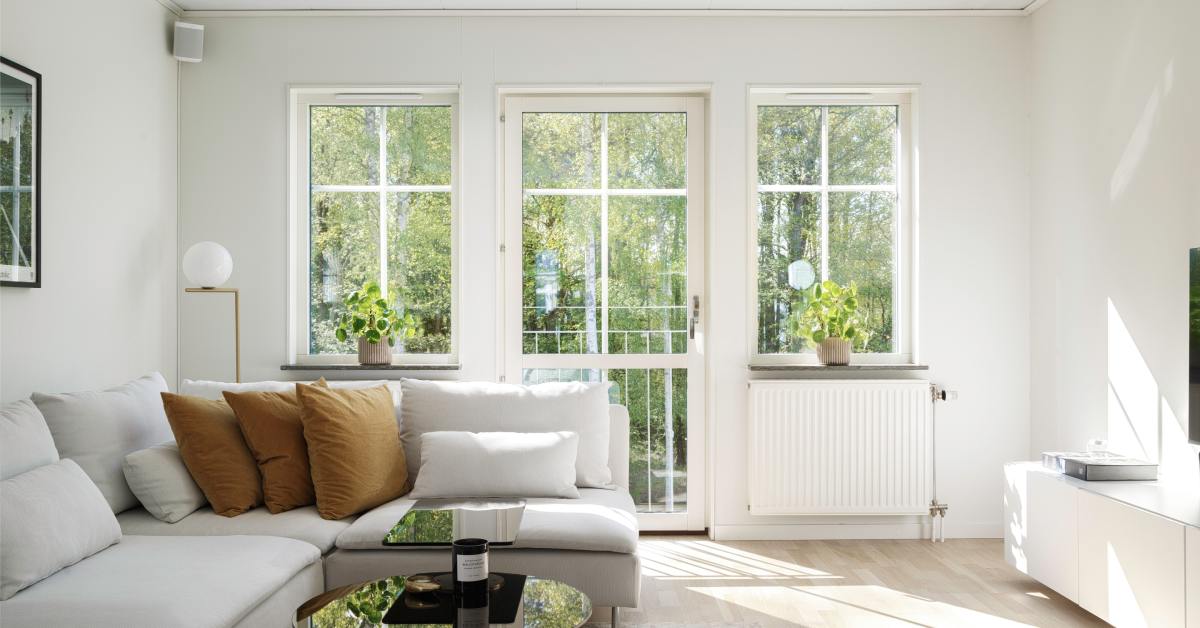
Never block windows with tall furniture that prevents sunlight from entering the room during the day. Low benches or chairs work best in front of windows to maintain the view outside. Natural light makes spaces feel larger and more inviting to everyone who enters the home.
Mirrors placed opposite windows reflect light deeper into the room and brighten up dark corners. This trick doubles the visual impact of your windows without the need for extra renovation. Ensure curtains hang high and wide to frame the window without covering the glass pane.
Open floor plans require a clear definition to separate the living area from the dining or kitchen. Use the back of a sofa to act as a divider between two distinct functions. This creates a psychological border that signals where one zone ends and another one begins.
Area rugs serve as excellent tools to group furniture and signal a change in purpose. Place all legs of the furniture on the rug to ground the arrangement effectively. Different lighting fixtures over each zone also help distinguish the areas from one another visually.
Oversized furniture in a small room makes the space feel cramped and difficult to navigate. Measure your room dimensions carefully before you purchase any new items for your specific home. Scale refers to how the size of objects relates to the room and other items.
Small pieces in a huge room can look lost and fail to fill the volume. You need substantial items to anchor large spaces and make them feel occupied and warm. To find the best living room furniture in Vancouver, WA, visit one of our stores and explore the diverse selection of sofas, sectionals, and tables that fit perfectly into any home layout.
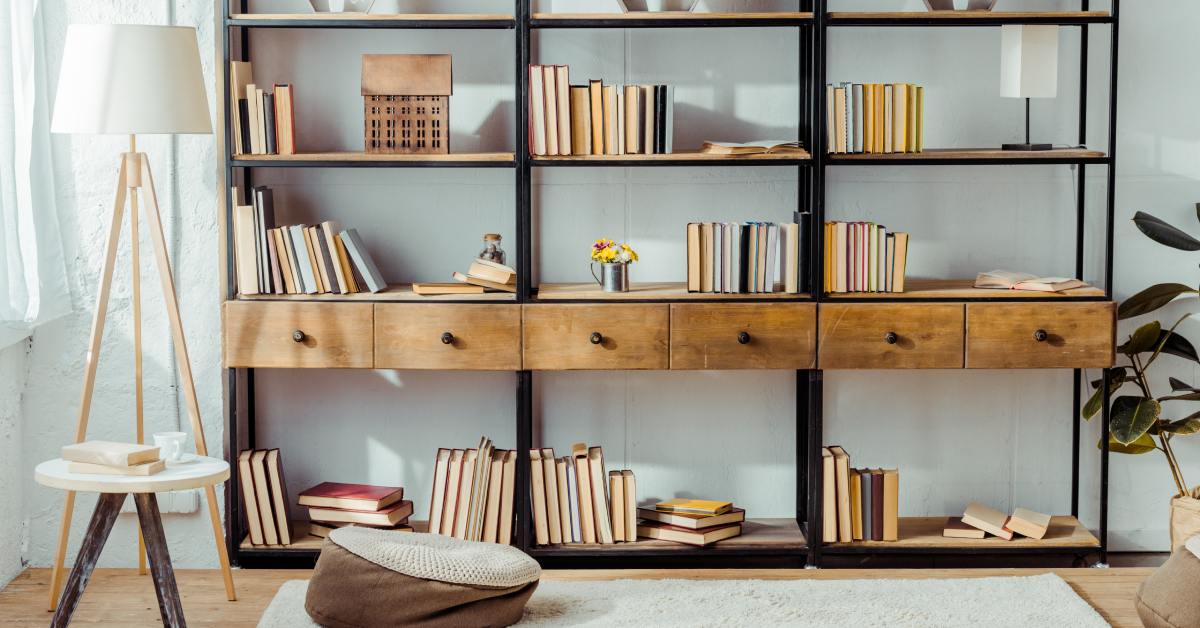
Draw the eye upward to make ceilings appear higher, and the room feel more spacious. Tall bookcases or shelves utilize wasted wall space and provide storage for books and decor. This strategy keeps the floor clear and reduces clutter that blocks movement through the room.
Hang artwork at eye level to connect the furniture to the architecture of the house. Placing art too high disconnects it from the furniture below and ruins the cohesive look. Vertical lines in curtains or wallpaper also help lift the visual height of the room.
One of the best tips for arranging furniture to improve flow is to orient your main seating arrangement toward the most attractive feature within the room or space. Fireplaces, large windows, or television sets often serve as natural focal points for living rooms. This gives the furniture layout a clear purpose and direction for everyone who sits there.
Arrange the secondary pieces to support the view of the focal point without blocking it. Avoid facing all furniture at a screen if you want to encourage conversation and interaction. A balanced approach allows for TV viewing and face-to-face engagement among family and guests.
Place furniture on a diagonal to break up the rigid lines of a boxy room. This unexpected angle adds energy and can make a small room feel slightly more spacious. It directs the eye to the corners and expands the perceived width of the floor.
Ensure you leave enough space behind diagonal pieces for cleaning and easy access to outlets. Diagonal rugs can also lead the eye into a room and create a dynamic flow. This technique works well in square rooms that lack architectural interest or unique structural features.
Thoughtful furniture arrangement requires patience and a willingness to experiment with different layouts and positions. You must prioritize function and movement to create a home that serves your daily needs. The way you arrange your space dictates how you live and interact within those walls. Small adjustments to angles or distances can transform the entire atmosphere of a living area.
Remember that balance and scale are the foundations of a harmonious and comfortable interior design. Take time to measure, plan, and adjust until the room feels right to you. A well-arranged home brings peace of mind and makes everyday life smoother for the family.
