

When decorating and furnishing a room, interior lighting can sometimes be an afterthought to the average homeowner. Not only is a well-lit room better for your mood, it creates a safer environment for everyone to work in and enjoy. This interior lighting guide will help you to decide which elements need to be included throughout your home. Every room will have different needs, so it’s important to consider how a space will be used. The best way to light any room is to layer the lighting options in each space. Many homes have dome or recessed overhead lights. This is a good place to start, but they will not always create the mood that you want in a room. By adding in table lamps, wall sconces, or other lighting accessories, you can make the lighting in the room softer and more dramatic. It’s important to consider several types of lighting, so that the desired mood in a room can be achieved. Today, there are a number of more energy efficient bulb options that can also be factored in. Use this interior lighting guide for suggestions on lighting several different rooms in the home.
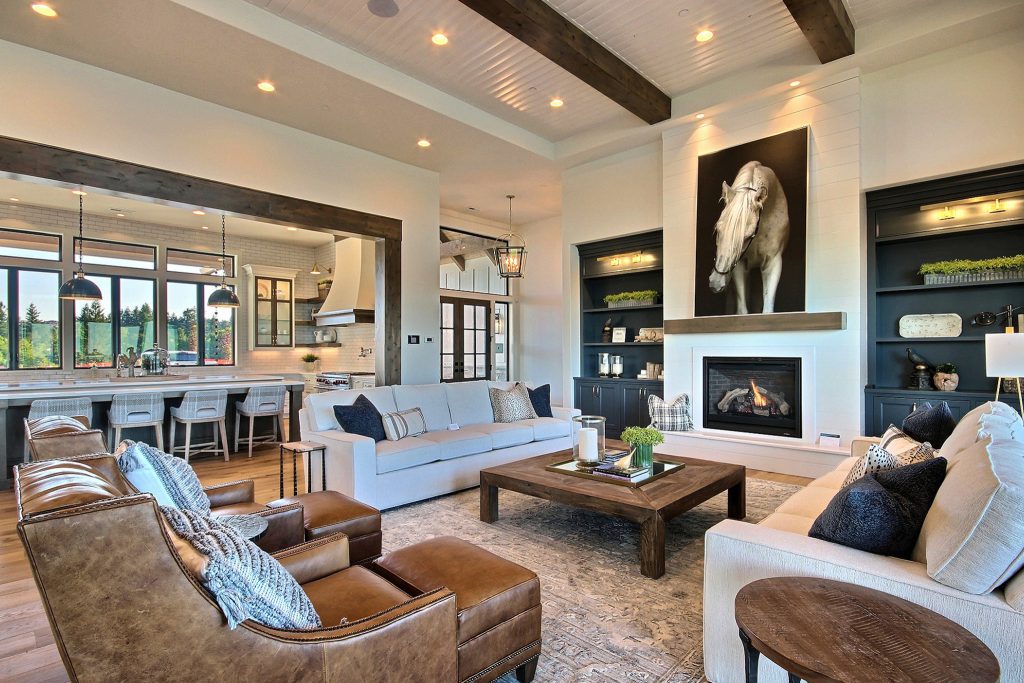
The living room is where families often gather. These can be lit with ambient overhead lighting such as track lighting or a similar lighting type. Center these over the main seating area. Then use table lamps for additional lighting options. Consider adding up lights or sconce lighting to soften the mood in the space for different activities. If you have a desk or work area, either use a lamp or task lighting to create a space to work that can provide you with the right kind of lighting. Floor lamps can be used to light darker corners. Accent lights provide a focal point on a particular area, such as artwork.
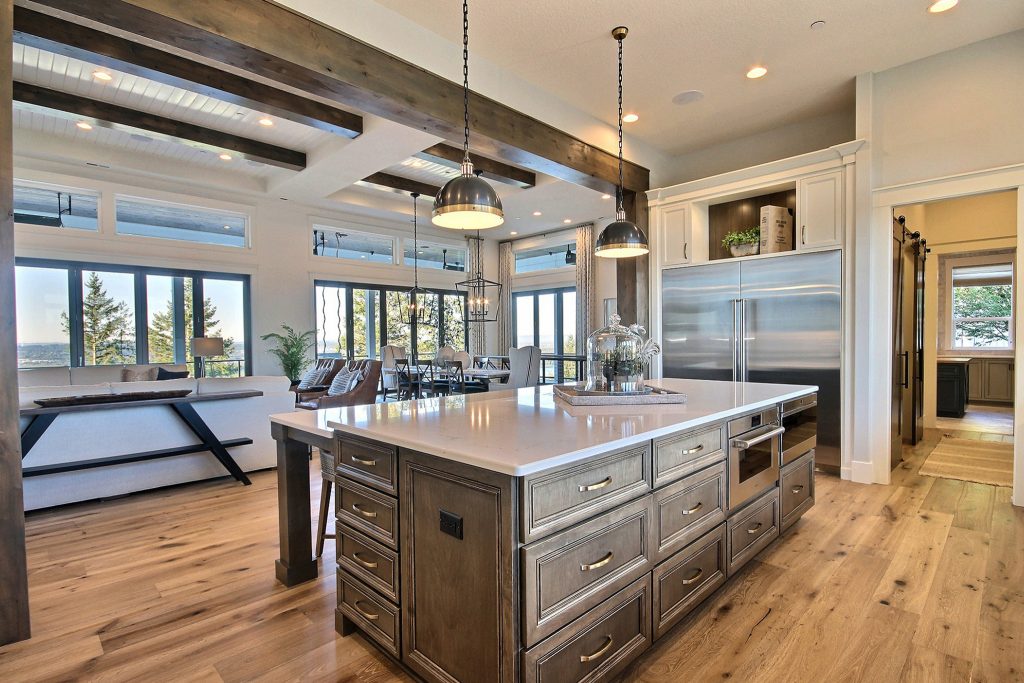
The dining room is a relatively easy room to plan. Many people have a large dining table in the center of the room with a buffet or china hutch. In this case, it is best for the main lighting fixture be centered over the table. To find the size needed, measure the table’s length and width and add them together. That number, in inches, will tell how large the primary fixture or chandelier should be. Another option is to use a series of pendant lights to light the table. Wall sconces or floor lamps can provide additional light in the corners or be used to soften the mood. Dimmer switches on the lights can also provide this effect.
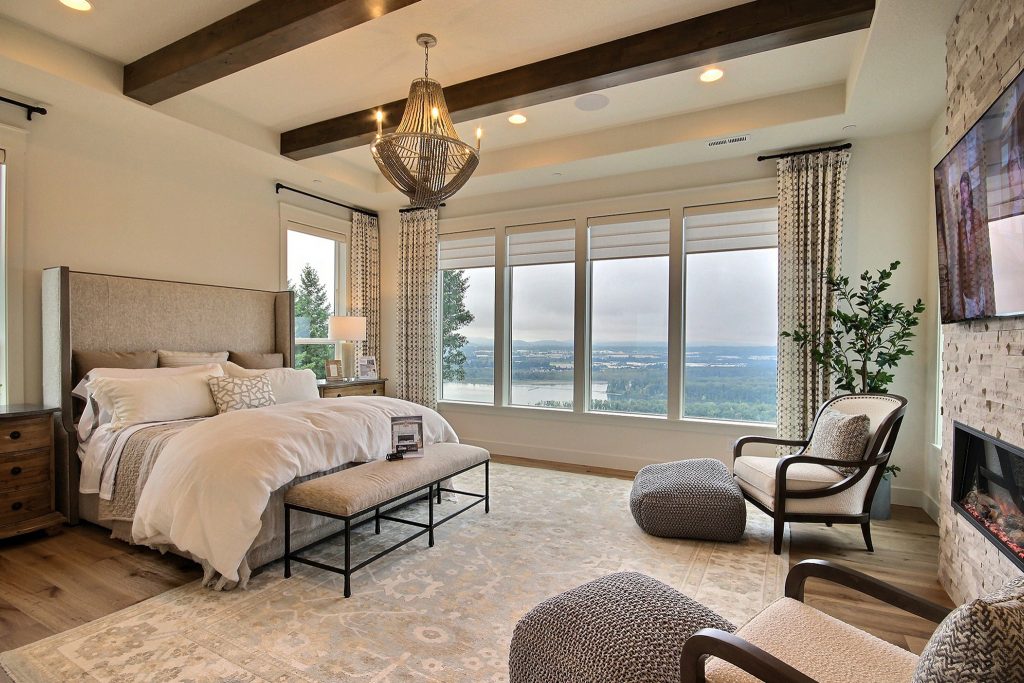
Bedrooms generally have overhead lights for general lighting. This is usually supplemented with table lamps on the nightstands or dressers. The type of lamps used should be considered. For instance, people who often read at night, need appropriate lighting for that use. Sitting areas in the bedroom will also need table lamps.
This interior lighting guide shows that when lighting is considered, it can produce a strong atmosphere in a room, particularly when paired with the right window treatments. Unfortunately, many don’t consider lighting options until after everything else is planned. Always consider how a space is going to be used, then layer in lighting options to produce those effects. That’s why if you are searching for lighting stores near me, we recommend coming into our showroom to speak with a lighting design expert if you have any questions.
We proudly serve Beaverton, Battleground, Gresham, Camas, Ridgefield, Lake Oswego, and the other surrounding areas.
